
Comfort means different things to different people. For some, it’s space. For others, it’s calm, ease and a sense of control over everyday life. In recent years, more Australians have discovered that true comfort doesn’t always come from bigger houses or extra rooms. Instead, it often comes from living more intentionally — and that’s where the tiny home lifestyle shines.
When designed well, smaller homes can feel calmer, warmer and far more comfortable than many people expect.
Comfort Starts With Thoughtful Design
One of the biggest reasons a tiny home feels comfortable is design. Every square metre is planned with purpose. There’s no wasted space, no rooms that rarely get used, and no awkward layouts that interrupt daily routines.
In a tiny home, storage is built into walls, seating doubles as functional space, and layouts are shaped around movement and natural light. Kitchens, bathrooms and living areas are positioned for convenience, not show. This kind of intentional design creates a sense of flow that larger homes often lack.
A Calm, Clutter-Free Environment
Comfort isn’t just physical — it’s mental. Many Australians feel overwhelmed by clutter, maintenance and constant upkeep. A tiny home naturally encourages a simpler approach to belongings, which leads to a calmer living environment.
When you live in a smaller space, you’re more selective about what you bring in. Items earn their place because they’re useful, meaningful or genuinely enjoyed. The result is a home that feels lighter, more organised and less visually noisy. This sense of order can have a noticeable effect on stress levels. There’s less to clean, less to manage and fewer distractions competing for your attention. Over time, that simplicity becomes deeply comforting.
Easier to Heat, Cool and Maintain
Australia’s climate can be demanding, and comfort is closely tied to temperature control. One advantage of a tiny home is how easy it is to keep comfortable year-round. Smaller spaces heat up quickly in winter and cool down efficiently in summer. With proper insulation, ventilation and thoughtful orientation, a tiny home can maintain a stable indoor temperature without relying heavily on energy-intensive systems.
Maintenance is also far simpler. There’s less roofing, fewer surfaces and fewer fixtures to worry about. Instead of spending weekends cleaning or repairing, many tiny home owners find they have more time to relax and enjoy their space.
A Lifestyle That Encourages Slower Living
Comfort isn’t always about what’s inside the home. It’s also about how the home supports your lifestyle. A tiny home encourages slower, more mindful living — something many Australians are actively seeking. Without excess space to fill or manage, daily routines become more intentional. Meals are cooked with care, mornings feel less rushed, and evenings are quieter. Many people report feeling more present and grounded once they settle into smaller living.
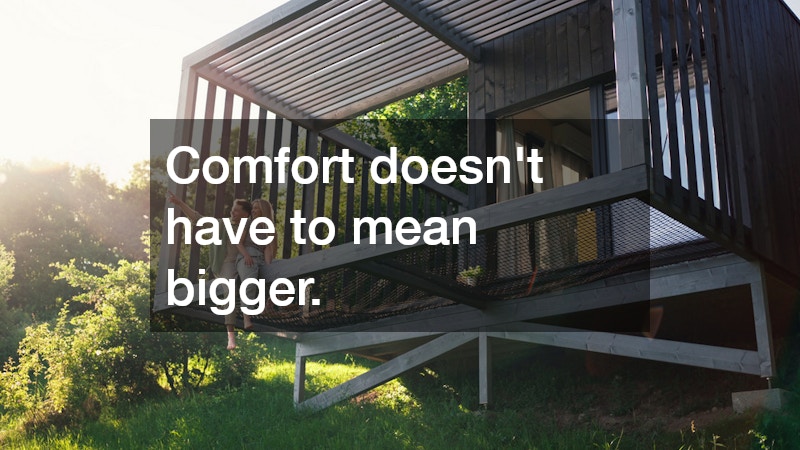
This shift often extends outdoors as well. Tiny homes pair naturally with outdoor living, whether that’s a deck, garden, or shared green space. In Australia especially, this indoor-outdoor balance enhances comfort and wellbeing.
Financial Comfort Matters Too
While lifestyle is the main draw, financial comfort plays a role in how secure and relaxed people feel at home. A tiny home typically comes with lower upfront costs, reduced energy bills and fewer ongoing expenses compared to traditional housing.
Lower financial pressure can translate directly into comfort. There’s less stress around repayments, bills and long-term commitments. For some Australians, this freedom allows for reduced work hours, more travel, or simply greater peace of mind. Feeling financially stable in your living situation can make a home feel truly comfortable — regardless of its size.
Designed Around Real Life, Not Expectations
Traditional homes are often built around assumptions: spare rooms for guests, formal areas rarely used, and layouts designed for resale rather than daily enjoyment. A tiny home flips that idea completely.
Instead, it’s designed around real habits. Where you sit, how you cook, how you relax and how you move through your day all shape the space. This personalisation makes the home feel intuitive and welcoming. When your home fits your lifestyle, rather than the other way around, comfort becomes effortless.
A Stronger Connection to Place
Many Australians choose tiny homes for regional or semi-rural settings, where connection to land and community plays a big role in wellbeing. Living smaller often means spending more time outdoors and engaging more with your surroundings.
This connection to place adds another layer of comfort. Natural light, fresh air and a sense of belonging all contribute to feeling settled and at ease. Even in urban environments, tiny home living often fosters stronger community ties through shared spaces and intentional neighbourhoods.
Perhaps the biggest reason a tiny home feels comfortable is that it removes excess — excess space, excess possessions and excess expectations. What remains is a home that supports rest, connection and ease. Comfort doesn’t have to mean bigger, newer or more expensive. For many Australians, it simply means living in a space that feels calm, functional and aligned with their values. A tiny home offers exactly that: a comfortable way of living, built on purpose rather than size.